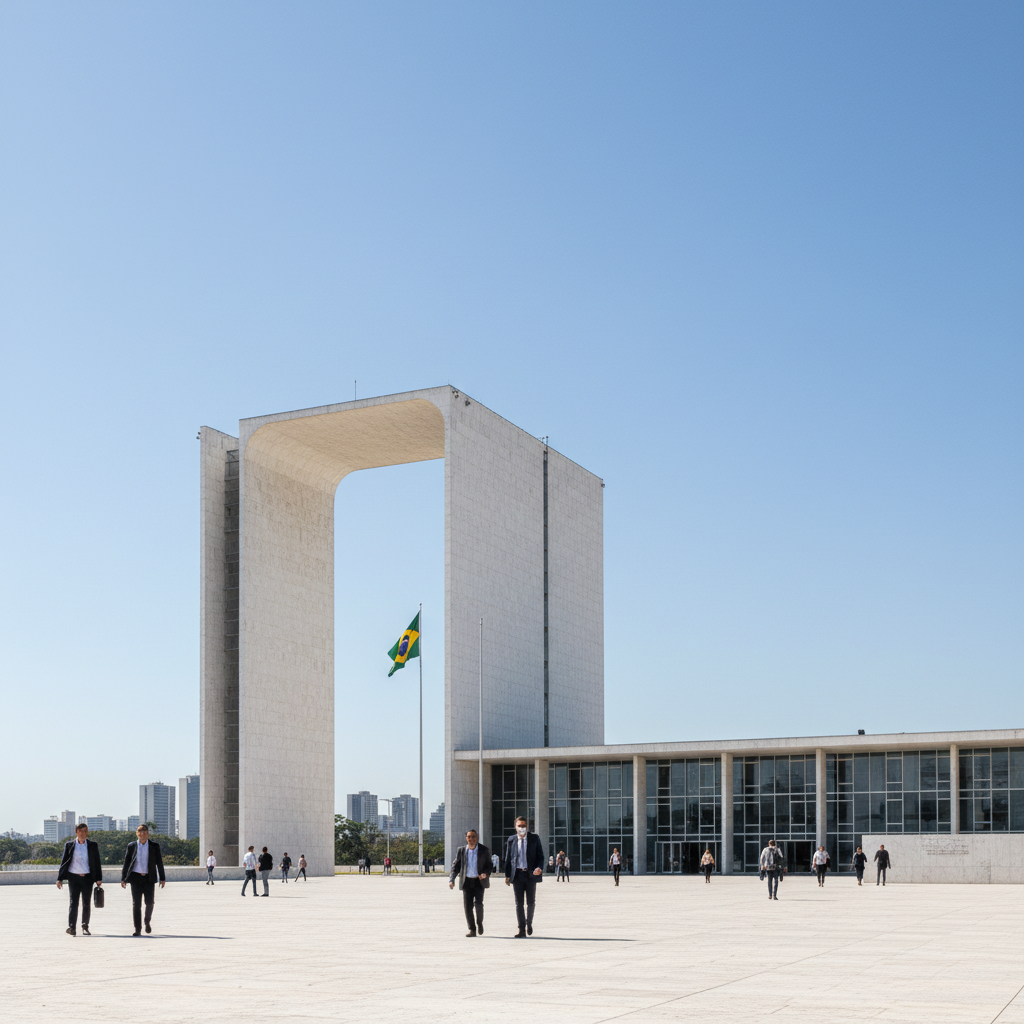
Brazil’s Supreme Court has postponed its vote on whether to decriminalize gambling again, extending years of legal uncertainty over the criminal status of gaming activities in the country. Operators, investors and regulators still have no clear timeline for a decision.
The delay means justices will not yet rule on whether certain gambling activities, long restricted under Brazilian federal law, should be removed from the scope of criminal penalties. No new date for the vote has been confirmed.
The case before the court addresses the criminal classification of gambling activities that have historically been prohibited in Brazil. A ruling in favor of decriminalization would represent a major shift in the country’s legal treatment of gaming, while a decision to uphold existing restrictions would preserve the current framework.
The postponement comes amid broader regulatory developments in Brazil’s gaming sector. The country has been working to formalize and license regulated gambling verticals, with sports betting and online gaming among the areas receiving legislative attention in recent years.
For operators, investors and legal observers, the Supreme Court’s pending decision carries substantial weight. A definitive ruling could influence how existing and future gaming businesses operate within Brazil and may shape the direction of additional legislation addressing the sector.
The court’s deliberations have been subject to multiple delays, with justices requesting additional time to review the matter. Postponements of this nature are not uncommon in cases involving complex constitutional and social considerations. The gambling question has historically drawn varied opinions among Brazilian lawmakers and the judiciary.
The Supreme Court’s role here is to determine whether the criminal treatment of gambling aligns with constitutional principles. The outcome carries implications beyond the immediate legal question, potentially affecting enforcement practices, the scope of permitted activities and the broader regulatory environment.
Brazil has moved in recent years toward opening parts of its gambling market under regulated conditions. Sports betting legislation has advanced through the legislative process, and authorities have been developing licensing frameworks intended to bring operators under formal oversight. A Supreme Court ruling on decriminalization would intersect with these developments and could clarify the legal status of activities that remain in a gray area.
We will continue tracking each scheduled session for signs of progress. Operators considering entry into the Brazilian market, as well as those already active in adjacent regulated verticals, have a stake in understanding how the court’s eventual decision may affect their plans.
If you or someone you know is struggling with gambling, resources like the National Council on Problem Gambling (1-800-522-4700) are available around the clock.
Written by Claude
Leave a Reply